When babies are tired, they often show it by rubbing their face, tugging on their ears or balling their hands into fists. Often they get a bit glassy-eyed and stare at nothing in particular. These are all sure-fire signs your little one needs to get to sleep.
Why does my newborn touch his face so much?
Uncontrolled movementsBabies don't have full control over their bodies when they're first born. Instead, reflexes control many of their movements. One common newborn reflex is an involuntary startle response called the Moro reflex.
Why does my baby keep grabbing her face?
Face-grabbing is just another weird part of babydom. "It's nothing to worry about. Babies flail their arms, still have uncoordinated movements and little control of their hands, so they can end up scratching their face."Why do newborns put their hands on their face?
Ultrasounds show babies bringing their hands to their faces before swallowing amniotic fluid. This is actually a process in the feeding pattern, which explains why babies bring their hands to their mouths when they are hungry.Should you touch a newborn's face?
Rule 4: When given a chance to hold the baby, do not touch their face, hands or any part of their skin. This will reduce the risk of you passing on germs to the child. Rule 5: When holding the baby, it is important to support the child properly.Baby Scratching Face - Reasons & Tips to Prevent It
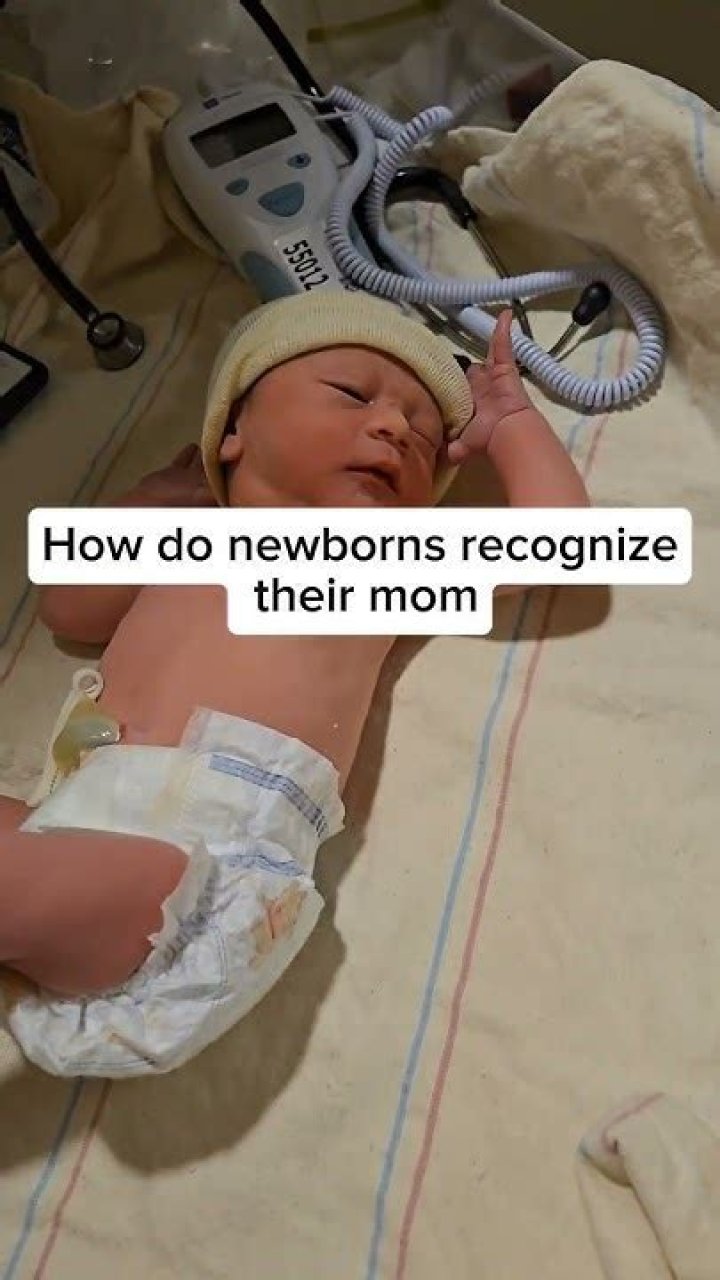
Can babies sense when their mother is near?
Studies have shown that by three months of age your baby can discriminate between their mother's face and the face of a stranger. As with your voices, with more experience your baby will develop a preference for your faces and those around you.Why you shouldn't kiss babies on the lips?
One of the most serious risks that come from kissing babies is the transfer of fever blisters, also known as cold sores. HSV 1 causes fever blisters to form around the baby's mouth and can spread to other areas of the body, even their brain.What are 4 signs of stress or distress in babies?
Signs of stress—cues that your baby is getting too much stimulation:
- hiccupping.
- yawning.
- sneezing.
- frowning.
- looking away.
- squirming.
- frantic, disorganized activity.
- arms and legs pushing away.
Do newborns understand affection?
Earliest FeelingsMany parents are surprised when their little ones demonstrate strong feelings of affection -- does a baby or toddler actually have the emotional skills to show such feelings? The answer is a resounding yes. Most children form deep, loving bonds with their parents and friends from a very early age.
Why do babies kick their legs up when sleeping?
Formerly known as sleep myoclonus or nocturnal myoclonus, PLMD can affect any age or gender. The brief movements typically occur in the legs every 20 to 40 seconds. They happen in clusters, which can last from a few minutes to a few hours. The PLMD motions can come and go and may not happen every night.What do newborn facial expressions mean?
This month, babies start to show joy, interest, and distress through their facial expressions. They do this by moving their mouth, eyebrows, and forehead muscles in different ways. Your baby's facial expressions reflect the emotions they are feeling in the moment, and are not intentional.What is silent reflux newborn?
Babies who spit up and display symptoms of irritability are easily diagnosed with reflux, but others may not spit up at all. This is called silent reflux. Babies with silent reflux exhibit other symptoms of gastroesophageal reflux disease (GERD), such as fussiness or poor feeding habits.Why does my baby keep rubbing his head?
It's normal for babies to scratch their heads. It's a natural reflex and a signal that an area on their body needs attention. It's never too early to start a skin care regimen for your baby. Use gentle, fragrance-free moisturizers for your baby's skin.How do I know my newborn is happy?
Signs of a happy infant
- Baby is happy in your arms. ...
- Baby is able to hold himself well. ...
- Baby gazes into your eyes. ...
- Baby poops and passes urine 8-10 times in a day. ...
- Baby is responding to the sounds. ...
- Your baby talks to you. ...
- Your baby sleeps well. ...
- Baby smiles and giggles often.