What's it like living with anemia?
Iron deficiency anemia can produce symptoms such as fatigue that impact your daily life. It can increase your risk of anxiety and depression. You can use strategies to manage the fatigue, including changes to sleep, diet, and activity. You may need help and support from family, friends, and medical professionals.Is it hard to live with anemia?
With proper treatment, many types of anemia are mild and short term. However, anemia can be severe, long lasting, or even fatal when it's caused by an inherited or chronic disease or trauma.Can you live a healthy life with anemia?
Living with anemiaFollowing treatment, most people go on to live normal, healthy lives. However, anemia can have lasting, or life-threatening, effects. These are more common if the condition is chronic, severe, or left untreated.
How do you feel with anemia?
My symptoms of anemia were fatigue, shortness of breath, dry and pale skin, hair loss, and muscle aches. A blood test showed my red blood cell count was 2.91 and hemoglobin was 6.3. Additional tests showed my iron saturation to be 3 percent.Living with and Managing Iron-Deficiency Anemia
How serious is being anemic?
In many cases, it's mild, but anemia can also be serious and life-threatening. Anemia can happen because: Your body doesn't make enough red blood cells. Bleeding causes you to lose red blood cells more quickly than they can be replaced.Should you rest with anemia?
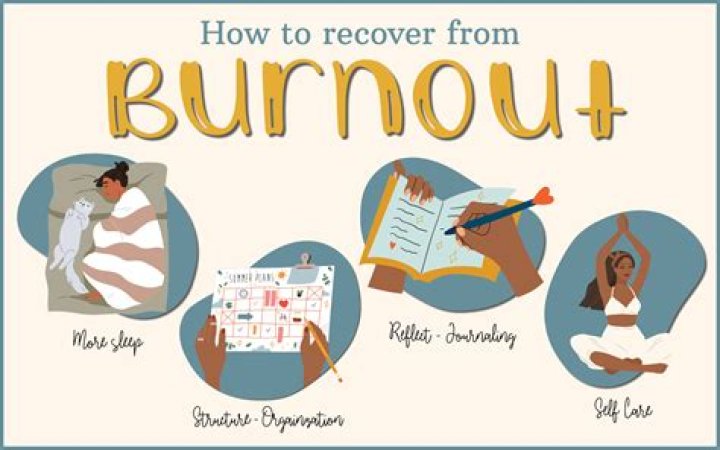
Sleep. Sufficient sleep is vital to dealing with anemia-related exhaustion. But too much can actually be detrimental, ultimately making you more tired. Sufficient sleep is vital to dealing with anemia-related exhaustion.How long do anemia patients live?
With current treatments, patients with lower-risk types of some MDS can live for 5 years or even longer.Is anemia a disability?
Anemia is a very common blood disorder but is usually treatable and seldom a basis for receiving disability benefits. But there are those with chronic anemia whose condition isn't improved with treatment. Those with severe anemia may be able to qualify for disability benefits.What emotion causes anemia?
Stress Causing AnaemiaMost of the time stress can lead to anxiety and anxiety can contribute to anaemia. Stress is believed to affect the vitamin metabolism in your body. So, if you are under a lot of stress, your body uses up a lot of magnesium.
What level of anemia is severe?
For all of the tested groups, moderate anemia corresponds to a level of 7.0-9.9 g/dl, while severe anemia corresponds to a level less than 7.0 g/dl.Can I get time off work for anemia?
Anemia is a common blood disorder that is seldom severe enough for disability benefits, but if your condition worsens or doesn't improve despite treatment, you may qualify for disability benefits.Can anemia lead to leukemia?
Anemia and leukemia are both conditions that affect a person's blood. Although there is no evidence that anemia can cause leukemia, people with leukemia are more likely to develop anemia. This could be because leukemia, a form of blood cancer, causes anemia, which involves a reduction in red blood cells.How do I feel better with anemia?
There are several ways to help manage anemia, including:
- Following a healthy diet.
- Drinking enough water to stay hydrated.
- Exercising regularly. ...
- Avoiding exposure to chemicals that set off anemia.
- Washing your hands often to avoid infection.
- Taking good care of your teeth and going to the dentist regularly.
What not to do if you are anemic?
Foods to avoid
- tea and coffee.
- milk and some dairy products.
- foods that contain tannins, such as grapes, corn, and sorghum.
- foods that contain phytates or phytic acid, such as brown rice and whole-grain wheat products.
- foods that contain oxalic acid, such as peanuts, parsley, and chocolate.
How do you get admitted to the hospital for anemia?
Rarely, severe iron deficiency anemia may cause serious symptoms. Seek immediate medical care (call 911) if you develop serious symptoms such as difficulty breathing or chest pains. Seek prompt medical care if you are being treated for iron deficiency anemia but have persistent or recurrent mild symptoms.Does iron Help mood?
Iron is key to mood and mental health as it plays a key role in oxidative metabolism and the reduction of free radicals. It is also a cofactor in the synthesis of neurotransmitters and myelin. Your neurotransmitters are serotonin, dopamine, beta-endorphins, and GABA.How long does it take to fix anemia?
Several treatments can be used to treat anemia. Iron supplements, also called iron pills or oral iron, help increase the iron in your body. This is the most common treatment for iron-deficiency anemia. It often takes three to six months to restore your iron levels.How do I know if my anemia is getting worse?
But when the anemia gets worse, fatigue and weakness may appear.
...
One or more of these other signs may also appear:
- Dizziness.
- Headaches.
- Low body temperature.
- Pale or sallow (yellowish) skin.
- Rapid or irregular heartbeat.
- Shortness of breath or chest pain, especially when you're physically active.
- Brittle nails.
Is walking good for anemia?
If you have anemia, exercise doesn't have to be long to be beneficial. Shorter workouts, such as walking around the block or climbing stairs, add up and contribute to your weekly physical activity goal.Can anemia get worse if not treated?
Anemia if not treated for a long period can lead to serious complications. These include heart failure, severe weakness and poor immunity. Anemia is a medical condition in which the person does not have enough red blood cells or RBCs. The RBCs in the blood carry iron a specialized protein called hemoglobin.What are long term effects of anemia?
Heart and lung problemsAdults with severe anaemia may be at risk of developing complications that affect their heart or lungs. For example, you may develop tachycardia, which is an abnormally fast heartbeat, or heart failure, where the heart fails to pump enough blood around your body at the right pressure.